

Layer-2 Protocols Gaining Momentum: Scaling Ethereum for Mass Adoption
- PrimePath Dev

- Dec 31, 2024
- 5 min read
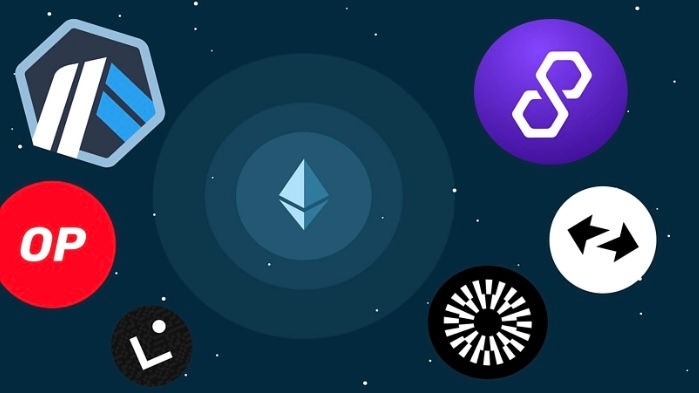
As Ethereum continues to grow in popularity, especially in decentralized finance (DeFi), non-fungible tokens (NFTs), and decentralized applications (dApps), the limitations of its base-layer infrastructure—referred to as Layer-1—remain a significant concern. Ethereum’s transaction speed, high fees, and occasional network congestion have made it challenging to scale effectively. While the Ethereum 2.0 upgrade promises long-term solutions through sharding, the need for more immediate scalability improvements is being addressed through Layer-2 solutions.
Layer-2 protocols, including Optimism, Arbitrum, and zk-Rollups, are becoming increasingly popular as they offer innovative ways to improve transaction throughput, reduce costs, and enhance Ethereum’s scalability. These solutions are gaining momentum as the crypto community focuses on overcoming Ethereum’s current limitations and enabling mass adoption of blockchain technology.
What Are Layer-2 Protocols?
Layer-2 protocols are secondary frameworks built on top of Ethereum (or other blockchains) that aim to alleviate congestion on the base layer (Layer-1) by executing transactions off-chain while still maintaining the security and decentralization of the main network. Layer-2 solutions process transactions externally and then settle them back on the main Ethereum chain, drastically improving scalability and reducing costs.
There are several types of Layer-2 protocols, but the most notable are:
• Optimistic Rollups (Optimism, Arbitrum)
• Zero-Knowledge Rollups (zk-Rollups)
Both approaches aim to bundle multiple transactions into a single batch, which is then submitted to the Ethereum mainnet. This reduces the computational load on the base layer, leading to faster transactions and lower fees.
Key Layer-2 Solutions Leading the Charge
1. Optimism
Optimism is one of the leading Optimistic Rollup protocols designed to scale Ethereum by processing transactions off-chain and then verifying them back on the Ethereum mainnet. Optimistic Rollups assume transactions are valid by default (hence “optimistic”), but they allow participants to challenge them if there’s an issue. This significantly reduces the need for costly computations while maintaining security.
Optimism’s adoption has been growing steadily, with many major Ethereum-based projects integrating it for better scalability. Its efficiency and Ethereum compatibility make it a popular choice for DeFi protocols looking to scale while keeping Ethereum’s decentralized nature intact.
2. Arbitrum
Arbitrum is another Optimistic Rollup solution that enables high-throughput dApps by offloading transaction execution to secondary chains while posting only minimal information on the main Ethereum network. Arbitrum has become one of the most widely used Layer-2 solutions, with significant integrations in the DeFi space. It boasts fast transaction finality and is compatible with existing Ethereum smart contracts, which has made its adoption seamless for developers.
Both Optimism and Arbitrum offer robust scaling for decentralized finance (DeFi) protocols, making them ideal for projects that require quick, cost-effective transactions, such as decentralized exchanges (DEXs) and lending platforms.
3. zk-Rollups
zk-Rollups use a different approach from Optimistic Rollups by relying on zero-knowledge proofs to verify the validity of transactions off-chain. This method is computationally efficient and offers stronger guarantees of correctness. zk-Rollups have become increasingly popular because they provide higher throughput and more secure transaction verification, offering low fees and faster processing times.
Several zk-Rollup solutions are already in production, including zkSync and StarkWare. The main advantage of zk-Rollups is their ability to handle a large volume of transactions with minimal data, making them suitable for a wide variety of use cases, from DeFi to NFTs and gaming applications.
The Impact of Layer-2 on Ethereum’s Ecosystem
1. Improved Transaction Throughput
Ethereum’s Layer-1 network currently handles around 15-30 transactions per second (TPS), which is insufficient for the growing demands of DeFi, NFTs, and dApps. Layer-2 solutions significantly increase transaction throughput by moving much of the computation off the main chain. For example, Optimistic Rollups and zk-Rollups can increase Ethereum’s scalability by handling thousands of TPS, which is a key step in making blockchain applications more viable for large-scale use.
For decentralized exchanges (DEXs), lending platforms, and other DeFi protocols, this increase in throughput is crucial. High throughput enables instant and cost-effective transactions, which in turn attracts more users and liquidity to the ecosystem.
2. Reduced Gas Fees
One of the primary reasons users and developers turn to Layer-2 solutions is the reduction in gas fees. Ethereum’s high gas fees have been a barrier to entry for many, especially during periods of congestion. By offloading most transactions to Layer-2 protocols, users can enjoy much lower transaction costs, making it economically viable to use Ethereum for a wider range of applications.
This has been particularly impactful in the NFT space, where creators and collectors have previously faced high minting and transaction fees. With Layer-2 solutions, they can engage with Ethereum-based NFTs without breaking the bank.
3. Seamless Integration with Ethereum
One of the most appealing features of Layer-2 solutions is their compatibility with the Ethereum mainnet. Layer-2 protocols like Optimism, Arbitrum, and zk-Rollups integrate smoothly with existing Ethereum dApps, meaning developers do not need to rework their smart contracts or drastically alter their codebase. This ensures a seamless user experience across both Layer-1 and Layer-2 environments, making the transition to a more scalable system relatively easy for existing Ethereum projects.
4. Advancing Decentralized Applications (dApps)
The scalability improvements brought by Layer-2 are especially significant for dApp developers. The reduced costs and higher throughput unlock new possibilities for creating more complex and resource-intensive decentralized applications. Whether in gaming, social media, supply chain management, or finance, Layer-2 solutions enable dApps to scale to a broader audience without sacrificing user experience or decentralization.
Path Toward Mass Adoption
As Ethereum’s ecosystem continues to mature, Layer-2 solutions are playing an essential role in driving its mass adoption. While Ethereum 2.0’s long-term scalability vision, including sharding, remains under development, Layer-2 protocols are already providing a practical and highly effective way to scale Ethereum. They alleviate the pain points of high gas fees and slow transaction speeds, enabling a broader range of use cases to flourish.
This is critical as the demand for decentralized services continues to rise. Layer-2’s impact on DeFi is especially profound, as faster, cheaper, and more efficient transactions lower barriers to entry for new users and developers. Moreover, as zk-Rollups and Optimistic Rollups continue to mature, further enhancements in transaction security, privacy, and throughput are likely to emerge, attracting even more applications and users to the Ethereum network.
Conclusion
Layer-2 protocols like Optimism, Arbitrum, and zk-Rollups are rapidly gaining momentum as key solutions to Ethereum’s scalability issues. With their ability to drastically improve transaction throughput, reduce gas fees, and enhance the overall efficiency of Ethereum-based applications, Layer-2s are laying the groundwork for the mass adoption of blockchain technology. As DeFi, NFTs, and dApps continue to grow, Layer-2 solutions will be essential for meeting the scalability demands of Ethereum’s expanding ecosystem.
For developers and users, these solutions offer a pathway to a more scalable, affordable, and user-friendly Ethereum experience—one that promises to support the next generation of decentralized applications and drive blockchain technology into the mainstream.


Comments